Natural Cartilage Support Options to Protect Your Joints
When people ask me about joint health, they usually mean one thing: “How do I keep my joints from feeling worse year after year?” Cartilage sits at the center of that question. It is the smooth tissue that helps bones glide over each other, and it also cushions the load your body puts on knees, hips, shoulders, and hands.
The tricky part is that cartilage is not like skin. It does not “heal over” quickly after wear and tear. You can still support it, though, and that is where natural cartilage support options matter. I have seen the biggest improvements come from a consistent mix of smart movement, targeted nutrition, and sensible cartilage protection supplements, used with realistic expectations.
What “cartilage support” really needs to do
Cartilage protection is not one single action. In practice, support means creating a joint environment that is less irritated and more capable of maintaining itself.
From what I have seen in real life, you generally get three benefits when you approach joint cartilage health this way:
- Better load management so cartilage is not constantly overwhelmed.
- Nutrient availability to support the building blocks cartilage uses to stay resilient.
- Reduced inflammation signals that can amplify discomfort and stiffness.
It helps to picture cartilage as a shock absorber that relies on a balance of hydration, structure, and steady mechanical stress. Too little movement can stiffen a joint. Too Flexafen review 2026 much, or the wrong kind of movement, can irritate it. Your goal is the sweet spot where joints move well and recover.
Natural ways to support cartilage through movement and daily habits
“Natural” does not mean passive. The joints you use regularly tend to feel better than joints you guard all day. The catch is that the movement has to be purposeful.
A practical place to start is the basics: strength, range of motion, and gentle cardio. Strength work supports joint alignment by improving how surrounding muscles hold the joint steady. Range of motion helps cartilage receive nourishing fluid movement. Cardio builds circulation, which supports recovery after activity.
Here is how I think about daily habits that protect cartilage without turning your life upside down:
- Choose low-impact cardio when joints are flared, like walking, cycling, or swimming, then build gradually.
- Do joint-friendly strength training 2 to 4 days per week, focusing on controlled form rather than heavy loads.
- Warm up intentionally for 5 to 10 minutes before exercise, especially for knees and hips.
- Use supportive footwear and surfaces that reduce jarring, particularly if you are on your feet all day.
- Avoid repetitive deep flexion for long stretches if your knees or hips feel “pinchy” after.
A quick anecdote: one person I worked with would try to “push through” discomfort by doing long downhill walks and deep squats. Her pain spikes were consistent. When she swapped downhill routes for flatter terrain, shortened her squat depth temporarily, and added targeted hip and thigh strengthening, her symptoms became more predictable and manageable. Not magically gone, but clearly improved.
The edge case most people miss: pain is information, not a dare
Cartilage irritation often shows up as aching, stiffness after rest, or discomfort during specific angles. If you feel sharp pain, locking, or instability, do not treat it like normal soreness. That is your cue to adjust and consider professional evaluation.
Natural cartilage repair methods can be helpful, but they should not become an excuse to ignore red flags.
Nutrition that supports joint cartilage health (without wishful thinking)
Nutrition is not a cure, but it can tip the odds in your favor. For cartilage protection supplements, many people focus on what they can add, yet food still matters because your body needs the raw materials to maintain tissue.
Think in terms of three nutrition themes: protein adequacy, micronutrient support, and collagen-focused intake.
Protein provides amino acids used throughout connective tissues. Many adults do best when they consistently include protein at meals rather than relying on one large serving. If you are older, recovering from illness, or not eating much overall, protein becomes even more important for maintaining joint-supporting structures.
Then there is micronutrient support. Vitamins and minerals do not “repair cartilage overnight,” but they influence immune balance and tissue maintenance. I often suggest people build meals around colorful plants, quality fats, and lean proteins, because that pattern is realistic and sustainable.
Collagen and gelatin: what people usually ask
Collagen is one of the best-known ingredients in the collagen & cartilage support world. Some people use it as hydrolyzed collagen or gelatin, either as a supplement or in food. What matters most is consistency over time and matching expectations. Joint support tends to show up gradually, with improvements in stiffness and comfort more noticeable than dramatic structural reversal.
If you are already eating protein-rich meals, adding collagen can still be reasonable, but it should be paired with movement and joint-friendly loading. Supplements are not a replacement for the basics.
Cartilage protection supplements: what to consider, how to choose, and where to be cautious
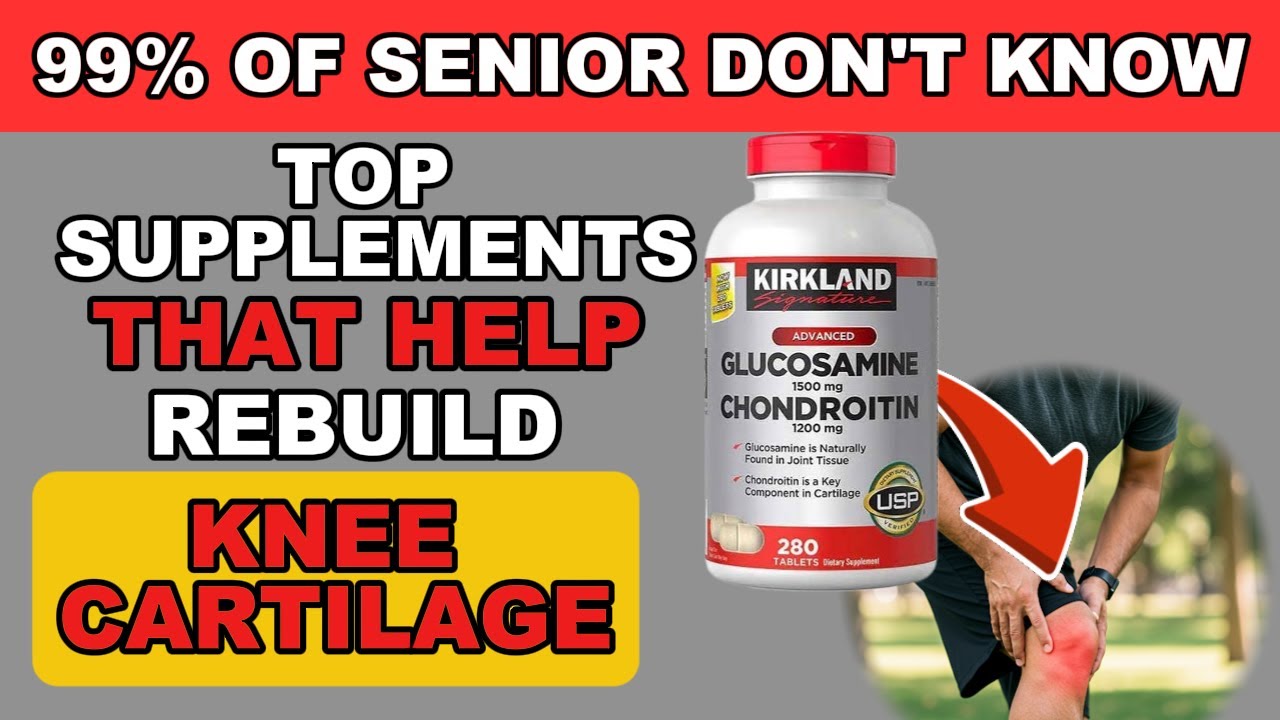
Cartilage protection supplements can be part of a sensible natural approach, especially if you want targeted support. Still, the market is crowded, and not every product is equally transparent.
When I help someone evaluate options, I look for these practical qualities:
- Clear ingredient list and dosages
- A reputable manufacturing process with quality testing
- A realistic target such as reduced stiffness or support during training
- A plan to reassess after a reasonable trial period
Because I cannot verify how any given product works for every person, I suggest using a “trial with tracking” mindset. For example, choose one supplement, take it consistently, and note changes in morning stiffness, pain with stairs, or comfort during a usual walk.
Two common supplement directions
You will often see people use:
- Collagen-based products for connective tissue support
- Certain plant-derived ingredients that are marketed for joint comfort and inflammation balance
People respond differently. Some feel modest benefits quickly, others notice changes after weeks of consistency. The best approach is to be patient, but not vague, and to stop if you are not seeing any meaningful improvement.
A caution I emphasize
If you take blood thinners, have a bleeding risk, are pregnant, or have a complex medical history, talk with a clinician before adding cartilage protection supplements, especially those with bioactive plant extracts or concentrated forms. “Natural” does not automatically mean “risk-free.”
A simple natural cartilage support routine you can actually stick with
The most effective plan is usually the one you repeat. Below is a straightforward routine built around joint cartilage health, not perfection.
- Move daily, with a mix of gentle range of motion and short walking, adjusted to your symptoms.
- Strength train 2 to 4 times weekly, prioritizing hips, thighs, and the muscles that stabilize your joint.
- Eat for tissue support, keeping protein consistent and including plenty of colorful whole foods.
- Consider a targeted supplement if you want natural cartilage support options to protect your joints, and reassess based on real changes.
- Protect “bad angles”, meaning you temporarily reduce the movements that flare you most.
That last point matters more than most people expect. If your knees complain during deep bending, you do not need to quit training. You adapt, reduce range briefly, and strengthen the supporting muscles so those angles become more comfortable again.
Joint health is personal. Your cartilage is dealing with your body’s specific alignment, activity history, and daily stresses. When you approach protection as a long-term partnership, you can support natural ways to support cartilage without living in fear of every twinge.
If you want, tell me which joint you are focusing on and what the discomfort feels like, and I can suggest a more tailored natural cartilage support routine that fits your day-to-day reality.