Beginner’s Guide to Crafting Your Smoothie Diet Recipe Plan for Maximum Fat Burn
You want your smoothie plan to feel doable, not like a punishment. And you want results, but not at the cost of being miserable, hungry, or constantly chasing bathroom timelines. If you’re aiming for weight loss, smoothies can be a helpful structure because they make it easier to control portions, support consistent meal timing, and keep your daily choices simple.
This guide is built for beginners who want a smoothie diet recipe plan that supports fat loss while still feeling realistic in day-to-day life. I’ll keep it grounded in what tends to work for most people: steady calories, smart protein, fiber that actually holds you, and a detox-style approach that focuses on digestion and regularity rather than extreme claims.
Start With the “Fat Burn” Reality Check
Let’s get one thing out of the way: fat loss is primarily about a calorie deficit. Smoothies don’t override that, but they can make it easier to live in a deficit without feeling deprived.
The reason a well-built smoothie diet can help is simple: you can reliably hit these three levers.
- Protein gets you through the day. It reduces the urge to snack later, which helps you stick to your plan.
- Fiber supports fullness and digestion. That can make a “detox” feel less like marketing and more like comfort.
- Portion control prevents accidental overconsumption. Smoothies are liquid, so it’s easy to drink more than you intended.
If you’ve tried smoothies before and felt hungry an hour later, it’s usually one of two issues: you didn’t include enough protein, or the fiber was too low. For many beginners, the goal is not “lowest-calorie smoothie,” it’s “most satisfying smoothie you can repeat.”
A quick personal example: I’ve coached people who started with fruit-only blends, then wondered why their cravings hit hard in the afternoon. The fix wasn’t removing fruit. It was pairing it with Greek yogurt or a scoop of protein, plus adding something fibrous like chia or spinach. The difference in appetite was noticeable within days.
Build Your Simple Smoothie Diet Plan (Without Making It Complicated)
A smoothie diet beginner plan should be simple enough to follow on your busiest day. I recommend a repeating structure instead of reinventing recipes every day.
Here’s a basic setup that works for many people aiming for weight loss:
- Choose one protein base
- Add one fiber booster
- Include one low-to-moderate sugar fruit or veggie
- Finish with healthy fats only if needed
- Use water, milk, or unsweetened alternatives to dial thickness and volume
What matters most is consistency. You don’t need 20 ingredients or exotic superfoods. In fact, fewer ingredients usually makes it easier to track how your body responds.
What I’d Use as the Protein Base
Pick one, and stick with it for a week before changing it. Options that tend to be beginner-friendly include Greek yogurt, kefir, or a protein powder you actually enjoy. If you’re dairy-free, a soy-based yogurt can work well, and so can protein powders labeled for meal replacement or protein focus.
Protein helps you avoid the “liquid hunger” feeling, where you drink the smoothie but your body doesn’t feel satisfied yet.
Fiber That Actually Keeps You Full
For fiber, chia seeds, ground flax, or oats are common choices. If you’re prone to bloating, start smaller with seeds and increase gradually. You can also build in a little extra water across the day.
One caution: if you add a lot of fiber suddenly, your digestion may feel off for a few days. That’s not “detox,” it’s just your gut adjusting.
Create Weight Loss Smoothie Recipes With Smart Ratios
Now let’s turn the structure into real weight loss smoothie recipes you can assemble without stress. These are meant to be adaptable, so you can swap similar ingredients while keeping the balance.
A Simple Formula You Can Repeat
Aim for this general ratio per smoothie: - Protein: about 20 to 35 grams (depending on your size and activity) - Fiber: at least 5 grams, often closer to 8 when you include chia or oats - Carbs: mostly from fruit or starchy-free options like leafy greens - Fats: modest, especially if you’re using protein powder or yogurt
You can treat your smoothie like a meal, not a snack.
Example Smoothie Templates (Beginner-Friendly)
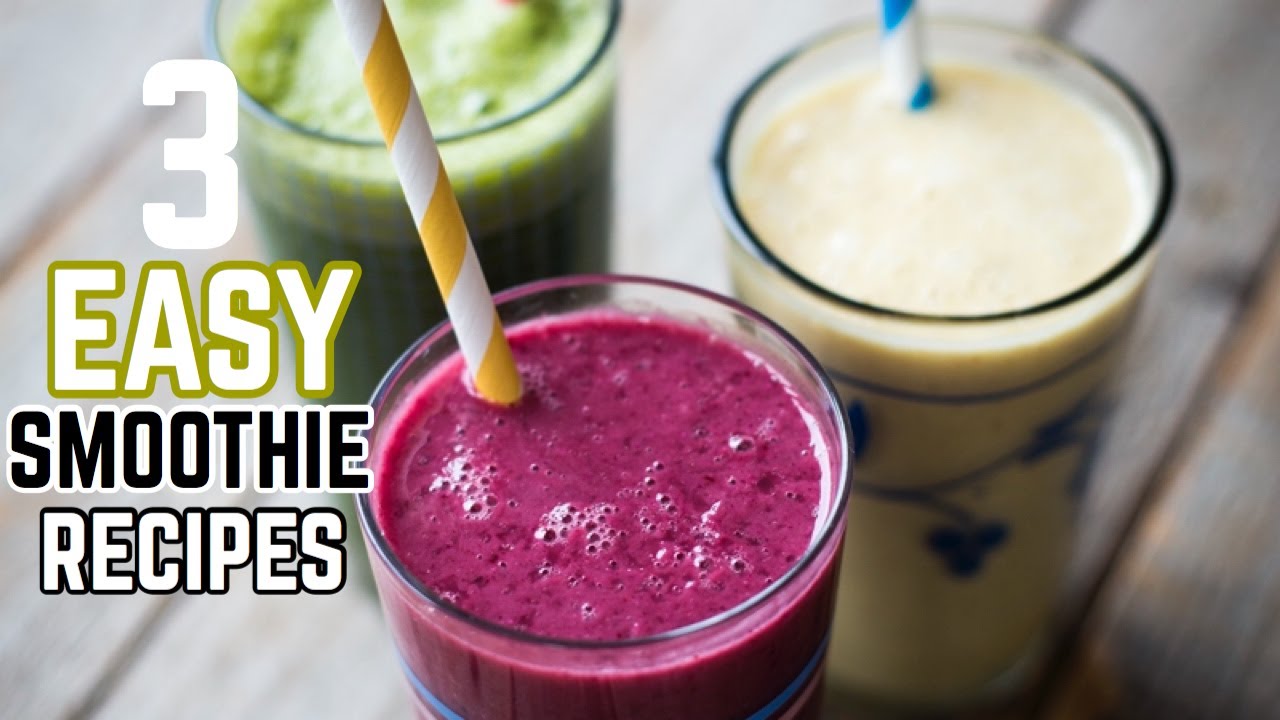
Below are three templates that work well in a smoothie diet recipe plan, especially for people who want a smoother routine.
Template 1: Green Protein Detox Meal - Spinach or kale (a big handful) - Greek yogurt or kefir - Chia seeds - Half a banana or a cup of berries - Water or unsweetened almond milk
This style supports digestion and regularity for many people. It’s also easy to prep because greens freeze well, and berries are convenient.
Template 2: Berry-Oat Fat Loss Smoothie - Frozen berries - Oats (or oat fiber if you prefer) - Protein powder or Greek yogurt - Ground flax - Unsweetened milk
Oats and flax make this one more filling. If you’ve ever felt unsatisfied after fruit-only smoothies, this template usually fixes it.
Template 3: Tropical Satiety Smoothie - Pineapple or mango (small portion) - Protein base - Chia or flax - Cinnamon - Ice and water
Tropical flavors can increase cravings if you use too much fruit. Keep the portion moderate and rely on protein and fiber to balance it.
Plan Your Week Like Meal Prep, Not Like Guesswork
When people fail with smoothies, it’s not because the recipe was “wrong.” It’s usually because they didn’t plan for real life: workdays, grocery runs, and the moments you’re tired and just want something that works.
A smoothie detox meals approach can fit well here, as long as your definition of detox is grounded: better digestion, fewer processed foods, and consistent hydration. The “detox” effect should feel like less sluggishness and more regular routine, not dizziness or extreme restriction.
How to Set Up Your Weekly Rhythm (Simple and Realistic)
Here’s a practical way to plan without turning The Smoothie Diet reviews your life into a spreadsheet.
- Pick 2 smoothies per day or 1 smoothie plus one solid meal, depending on hunger.
- Choose one repeatable smoothie for weekday mornings.
- Pre-portion ingredients into freezer bags: greens, berries, and measured chia or flax.
- Keep one “rescue” option on hand: protein powder plus yogurt and frozen fruit.
- Adjust after 3 to 4 days based on satiety, digestion, and cravings.
If you’re new, I’d start with one smoothie per day for a week, then consider adding a second if it feels sustainable. Sudden changes can impact digestion, and you want your body to adapt comfortably.
Avoid the Common Beginner Mistakes That Slow Fat Loss
The smoothie diet recipe plan you can stick to beats the one that looks perfect but falls apart by Thursday. A few pitfalls come up again and again.
One big mistake is making smoothies too fruit-heavy. Fruit tastes great, but it can quietly increase calories, especially when you blend large portions. Another is skipping protein because the smoothie “doesn’t feel heavy.” It may not feel heavy, but your appetite will often catch up fast.
Also watch the add-ons. Nut butters and extra oils can be delicious, but they raise calories quickly. If you’re using them, measure. “A little” becomes “a lot” more often than you’d expect.
Finally, don’t confuse detox with deprivation. If you feel shaky, overly tired, or stuck in a cycle of intense hunger, your smoothie plan needs adjustment, not endurance.
If you want maximum fat burn, the winning strategy is consistency with the right ingredients, not extremes. Build your plan around protein, fiber, and portion control, then refine based on how you actually feel in the current year, not on what worked for someone else.
When your smoothie routine becomes predictable and satisfying, weight loss gets easier. You stop negotiating with yourself every meal, and you start making progress without constantly thinking about it.